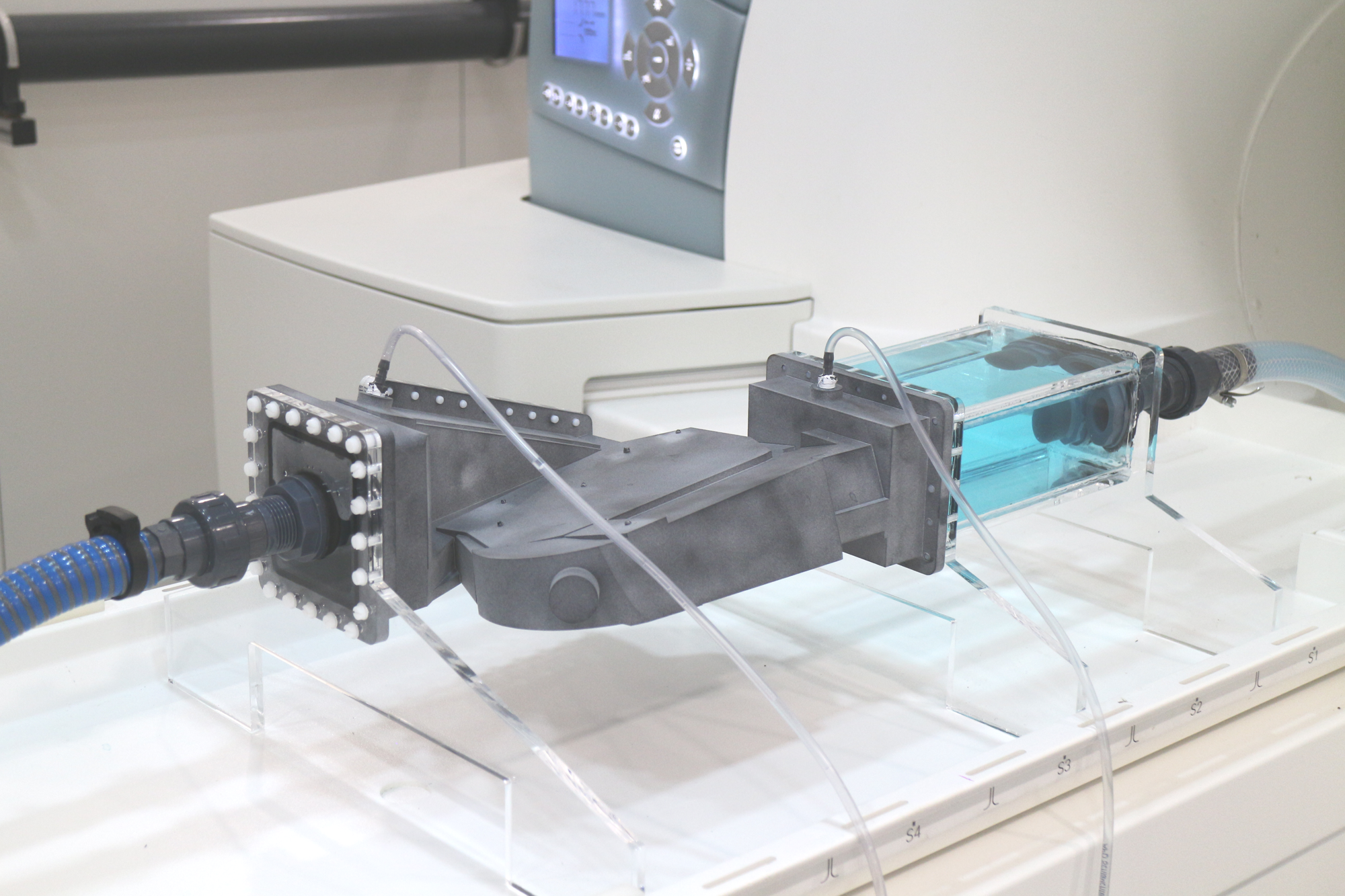
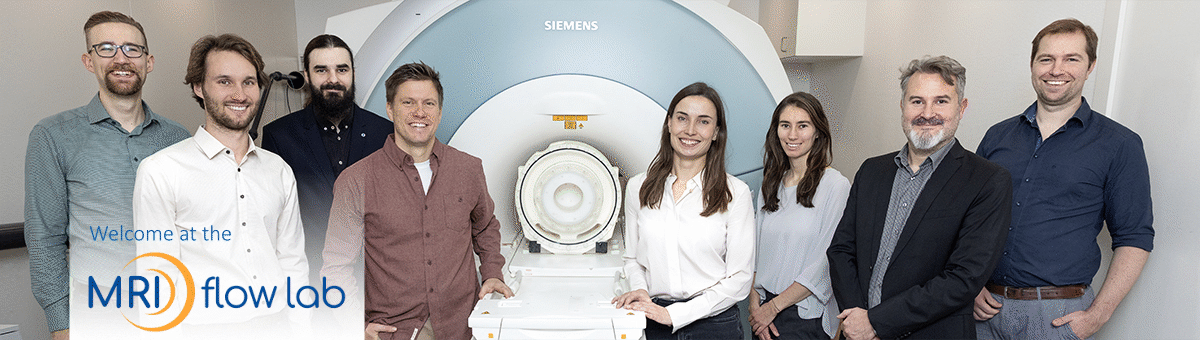
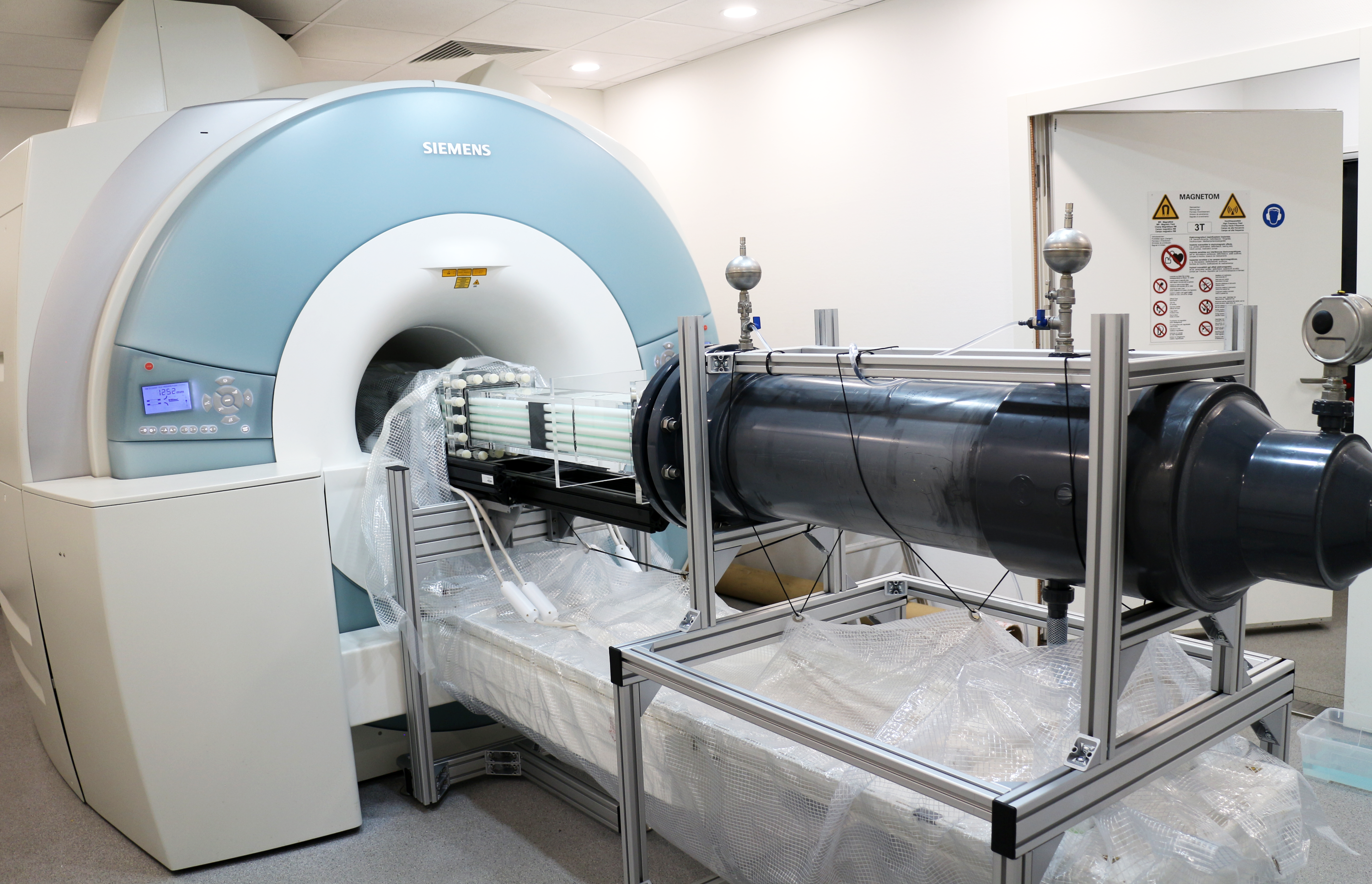
The MRI Flow Lab is designed to investigate complex flow systems and experimental setups with flow rates from a few liters per minute up to 1500 l/min. Experimental setups can be examined for several days or weeks to produce quantitative data that meet the stringent requirements for experimental data in engineering applications, such as the validation of CFD methods. The laboratory received funding as a DFG core facility in 2022. With this DFG core facility funding, it is possible for the team to share its unique measurement capabilities and experience for planning and conducting experiments with other research groups and to work collaboratively on future joint measurement campaigns and projects.
NURETH-21: Best Paper Award for the Institute of Fluid Mechanics
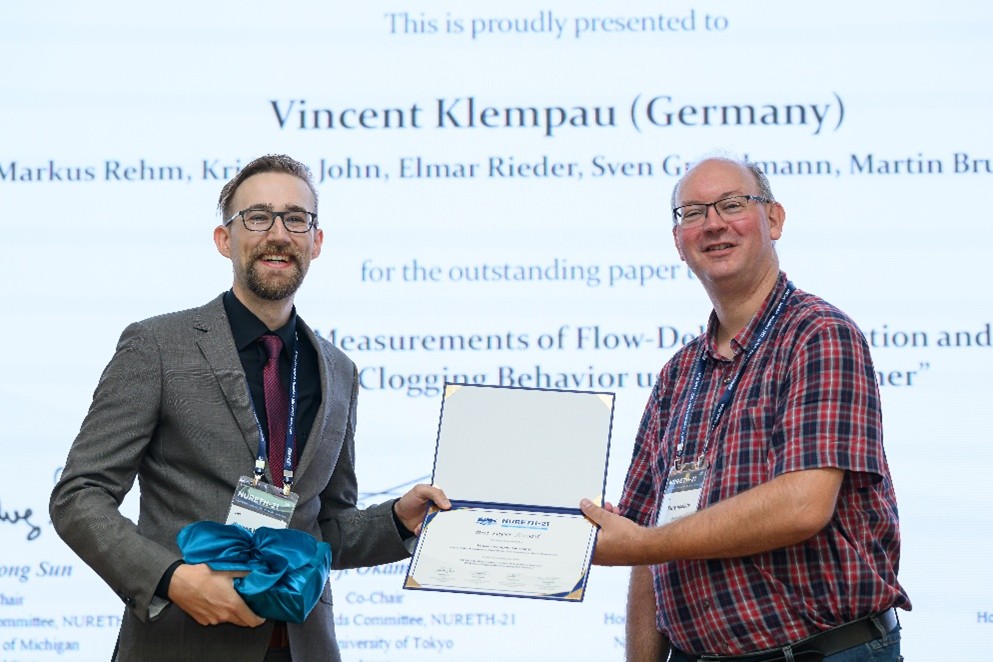
The 21st NURETH (Nuclear Reactor Thermal Hydraulics) conference took place in Busan, South Korea. With 721 papers presented from 37 countries, it is the world's largest specialist conference on nuclear reactor cooling.
Vincent Klempau, Kristine John, Martin Bruschewski, and Sven Grundmann from the University of Rostock, as well as Markus Rehm and Elmar Rieder from Framatome GmbH, jointly submitted a paper and were awarded the Best Paper Award.
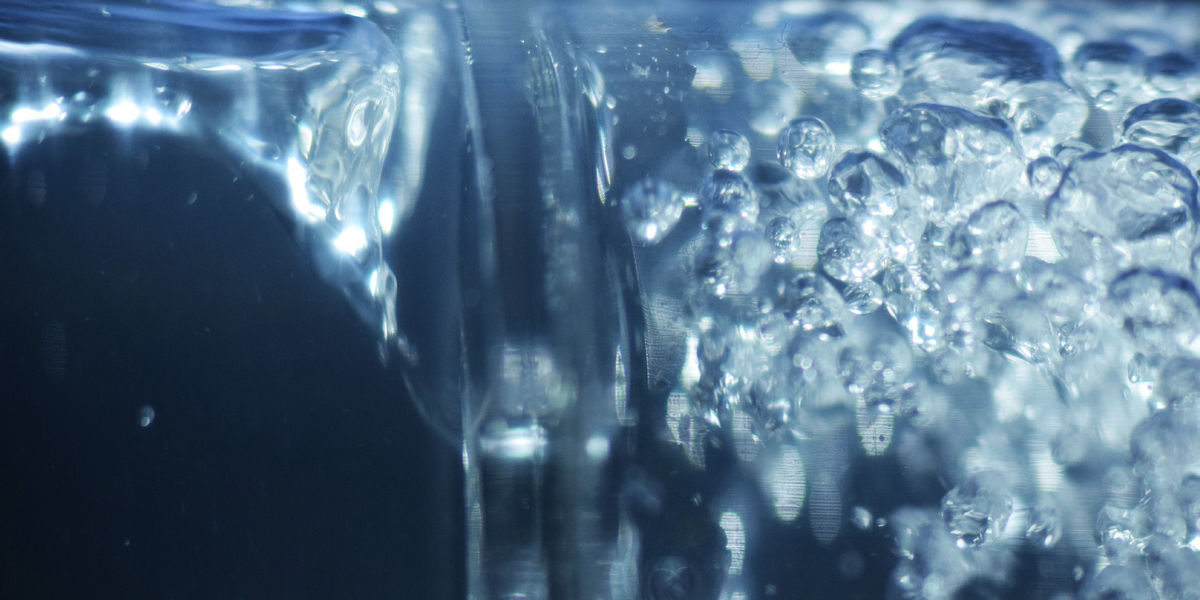
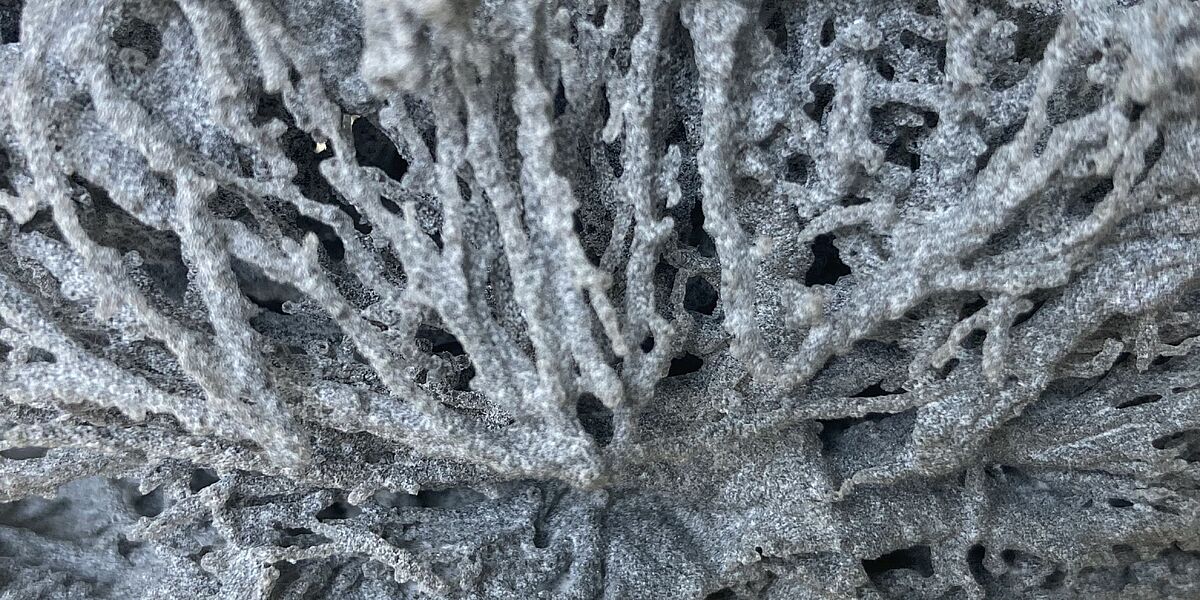
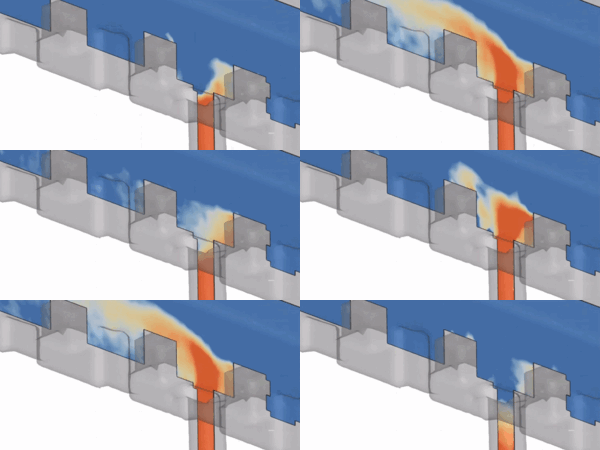
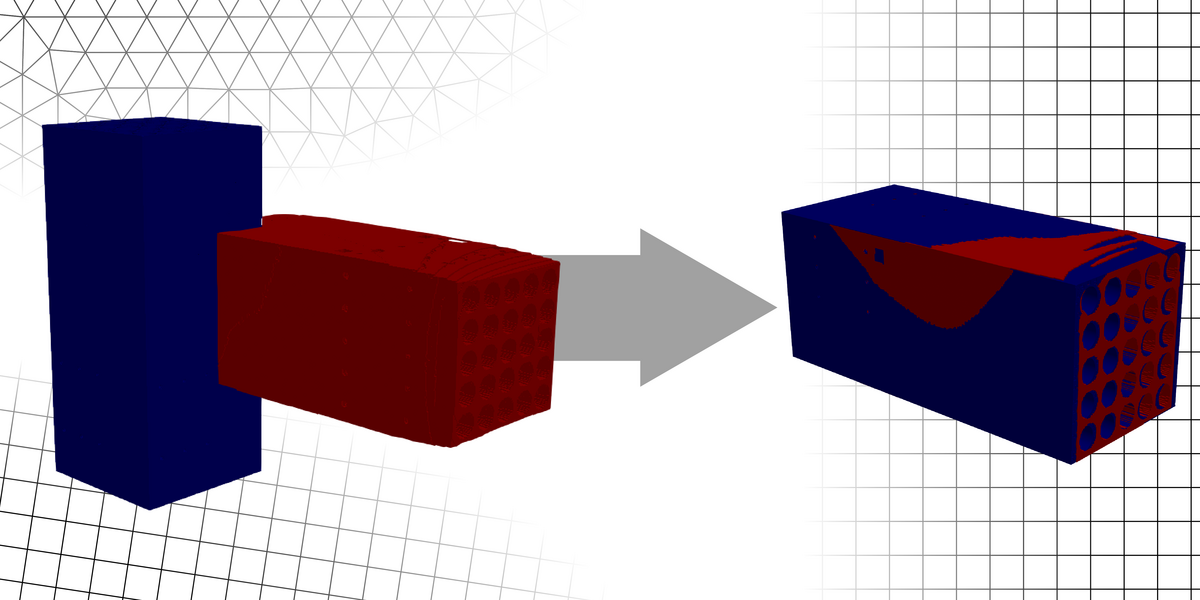
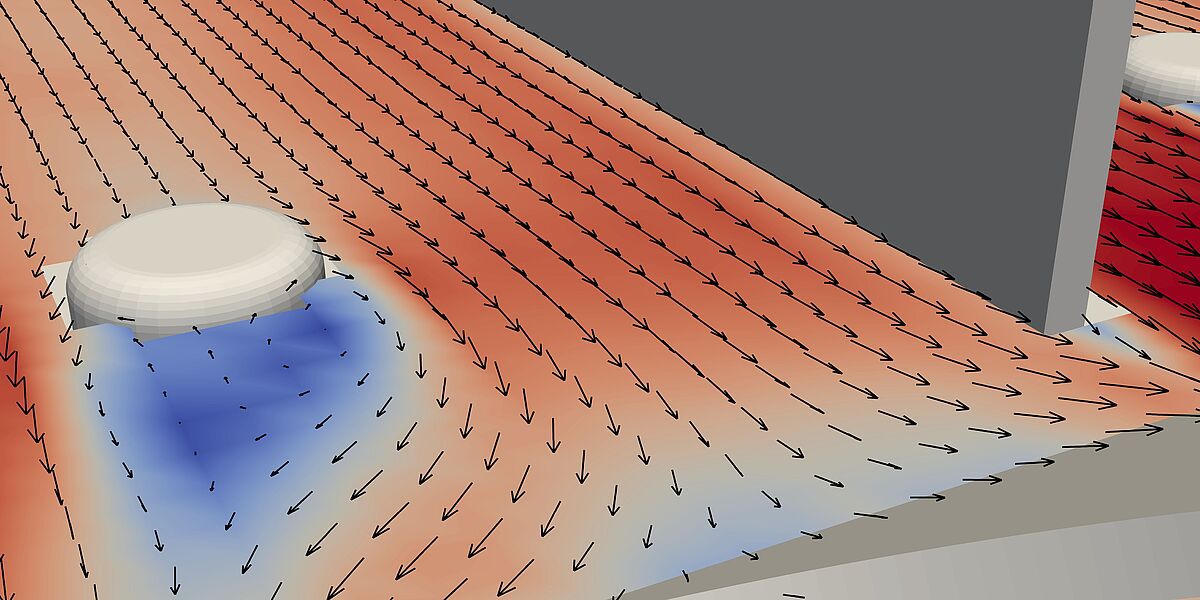
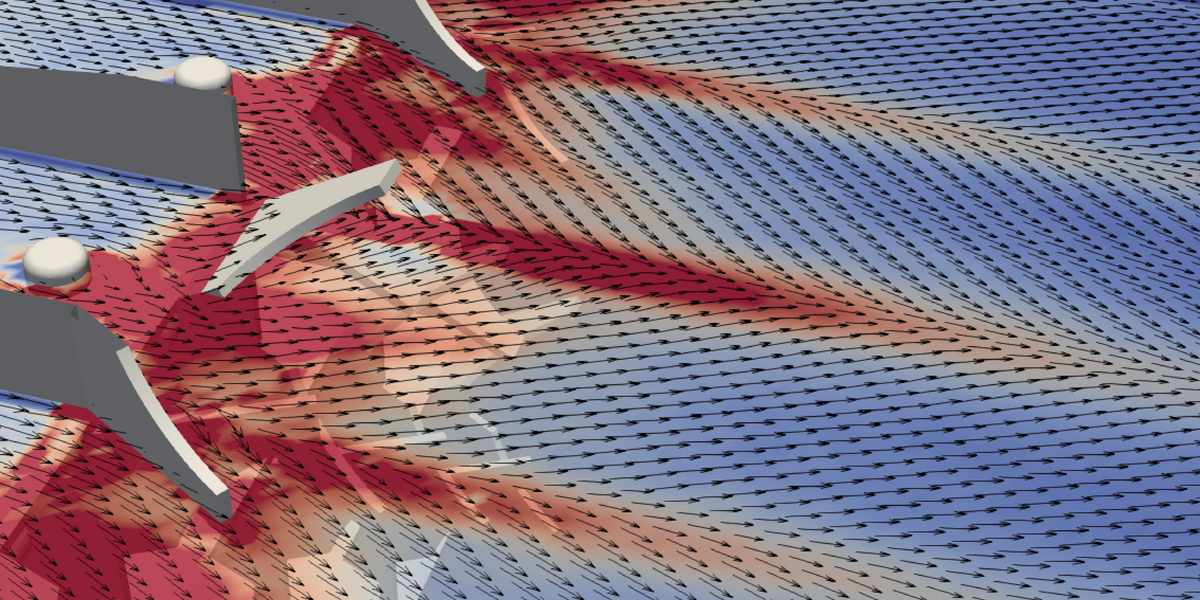
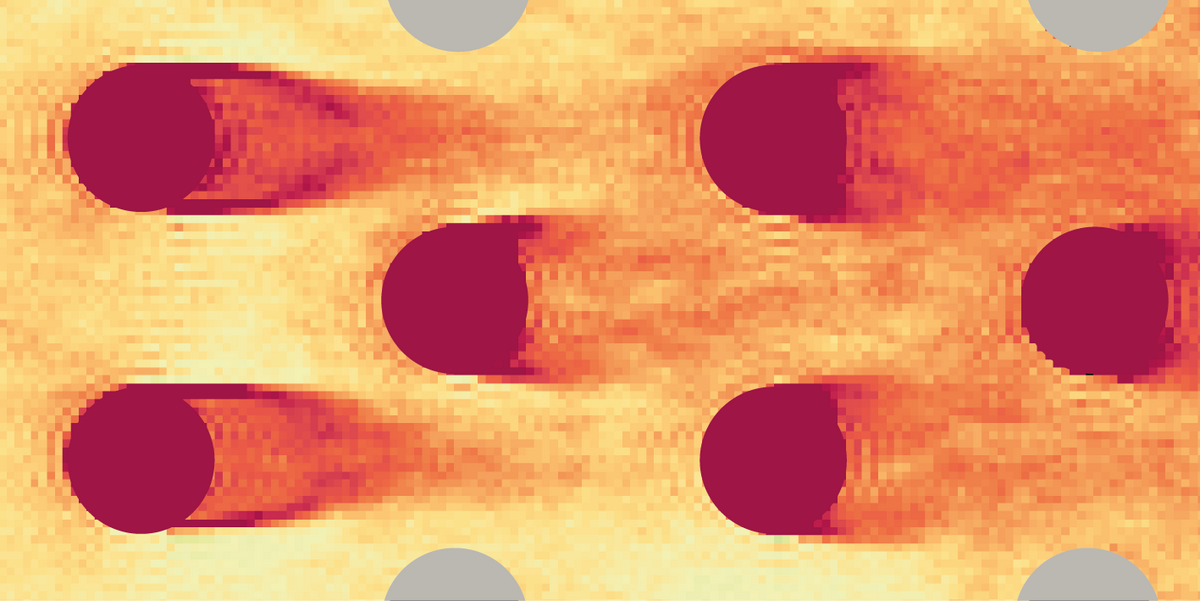
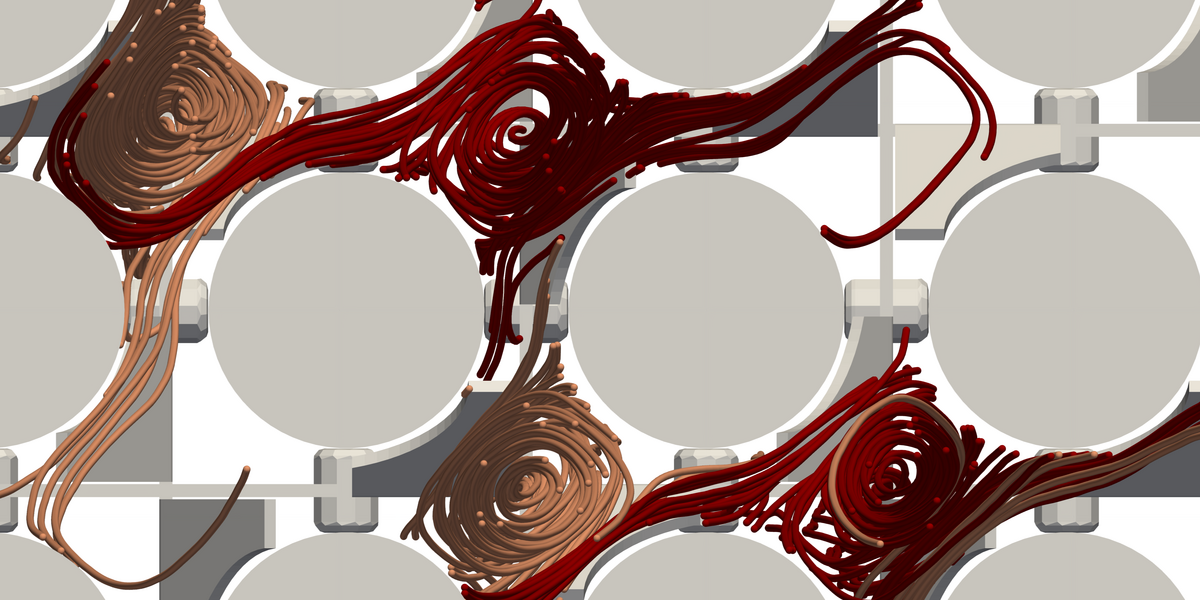
In their paper "CFD-Grade Measurements of Flow-Debris Interaction and PWR Filter Clogging Behavior using MRI Scanner," the researchers impressively demonstrated how high-resolution experimental flow investigations can be carried out using an MRI scanner. The data obtained is used to validate numerical simulations of flow processes in nuclear reactors.
The experimental results presented were obtained as part of the "DebriSafe" project, a joint project between the University of Rostock and Framatome GmbH, funded by the Society for Plant and Reactor Safety (GRS) gGmbH and the Federal Ministry for the Environment, Climate Protection, Nature Conservation, and Nuclear Safety (BMUKN).
Tag der Technik 2025
"Tag der Technik" is an event organized by the Association of German Engineers (Verein Deutscher Ingenieure, VDI) that allows students to visit the different facilities of the faculty. The event provided students with an opportunity to ask questions about careers in science and mechanical engineering. At the MRI Flow Lab, we demonstrated our research activities through live measurements of a hydrogen combustion chamber model. Additionally, our colleagues presented an exhibition of various fluid mechanics experiments to visualize the fascinating behaviour of fluids and illustrate the need for research in fluid mechanics in front of the laboratory.

First Joint Korean-German MRV Workshop
DFG-Funded Bilateral Workshop of Hanyang University and the University of Rostock
In July, the first of two exploratory workshops on “Advancement of the Measurement Technique Magnetic Resonance Velocimetry through Standardization” took place in Rostock. These bilateral workshops are designed to build upon the achievements of previous MRV challenges, to advance MRV, and expand its application areas. The workshop was organized in collaboration with Prof. Simon Song from Hanyang University.
In addition to the participants from Seoul and Rostock, colleagues from Oak Ridge National Laboratories (Tennessee, United States), University of Greifswald, German Cancer Research Center (DKFZ, Heidelberg), National Metrology Institute (PTB, Berlin Brandenburg), and Borup Solutions LLC (Minnesota, United States) presented their work and joined our intensive discussions.
The workshop featured engaging presentations and discussions, along with tours of the labs and demonstrations of experimental setups. The workshop was rounded off with a trip to the Peenemünde Historical Technical Museum, where we gained insights into the conflict between the groundbreaking developments by researchers during World War II and the harm these inventions caused.


Progress in the ‘Indo-German Joint Research Collaboration’ with the Indian Institute of Science
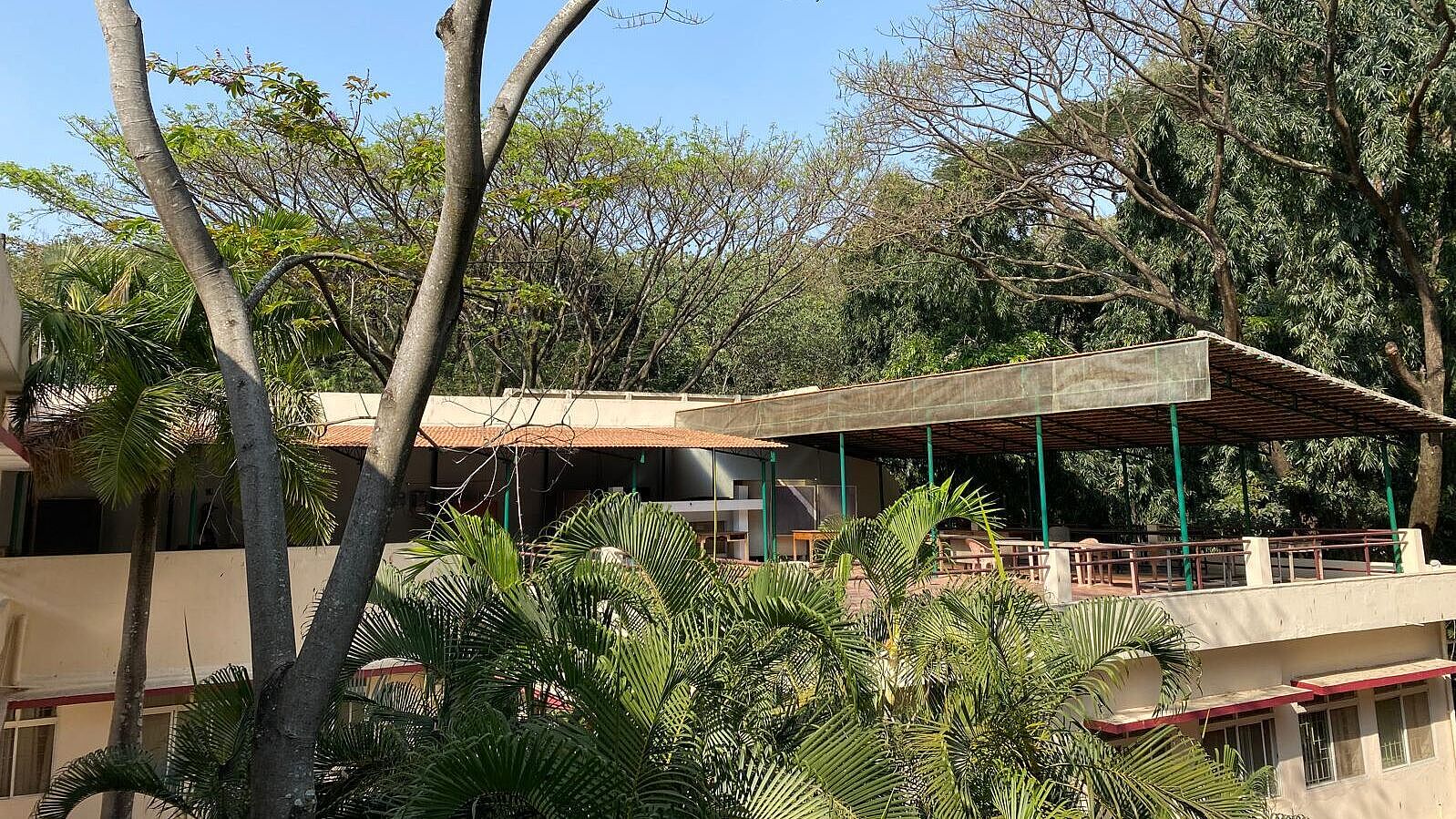
This year, two further personal exchanges between the Indian Institute of Science and the University of Rostock took place. In February, Martin and Kristine visited the group and research facilities of Prof. Prabhu R. Nott's group in Bangalore to learn more about the complexity of granular flows and the challenges to investigate the behaviour of these materials experimentally. We also planned and discussed further experiments to be set up at the MRI Flow Lab.
An outcome of our visit to Bangalore was the preparation of an experiment to investigate the granular flow in a Taylor-Couette cell. A significant challenge is the MR properties of available granular materials such as natural seeds, which brought us to fabricate granular material based on water-infused superabsorbent polymers with the help of many engaged students.
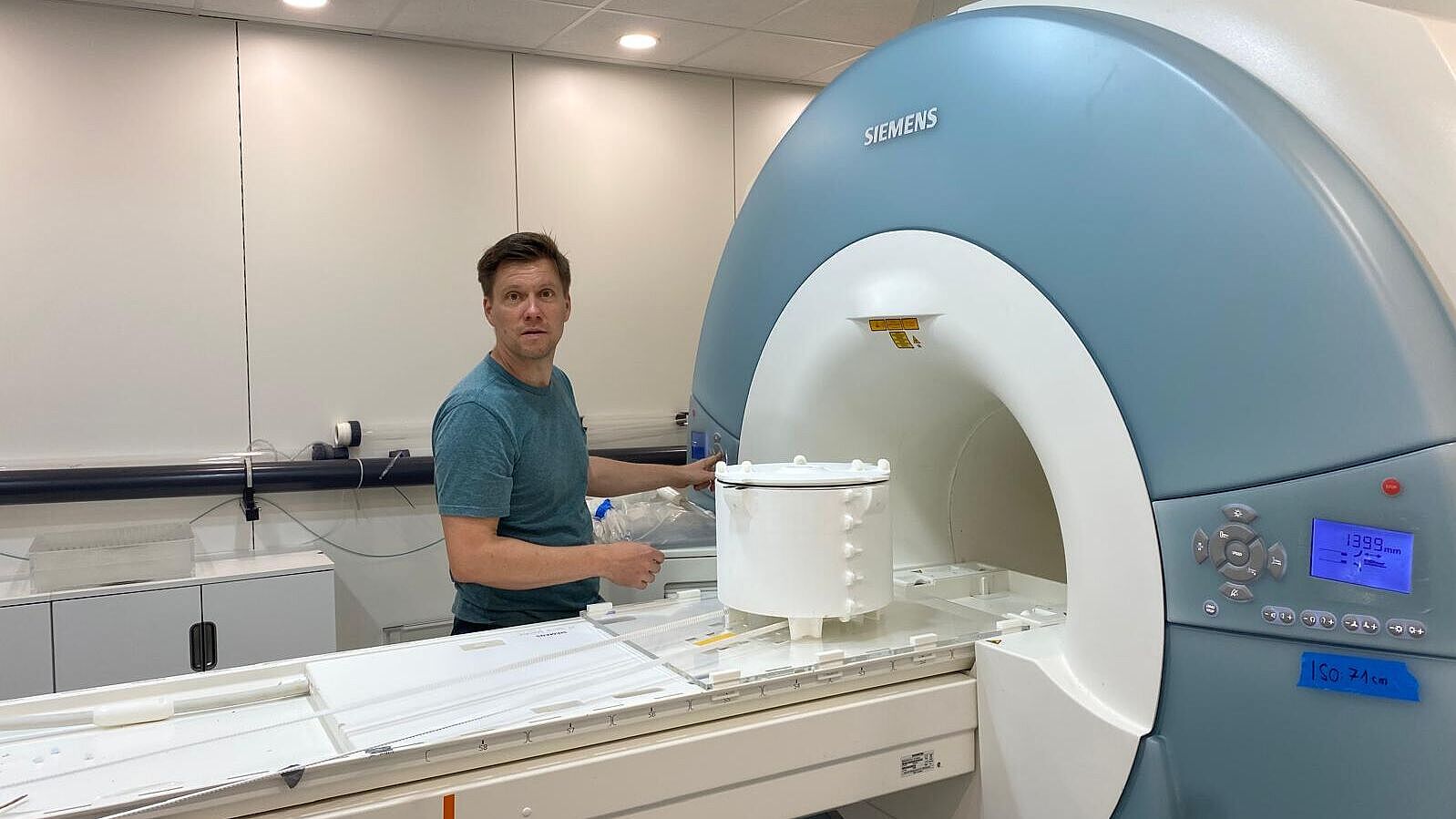
For the commissioning of this setup, Dr. Aqib Khan and Sanyogita from IISc joined us in Rostock. In this first measurement campaign, we gained a lot of data and experience, but also identified further improvements and new approaches to investigate these granular flows. We are now looking forward to our next visit to Bangalore and the progress our work will make until then. Bachelor's and Master's students interested in joining this path are welcome to contact us!

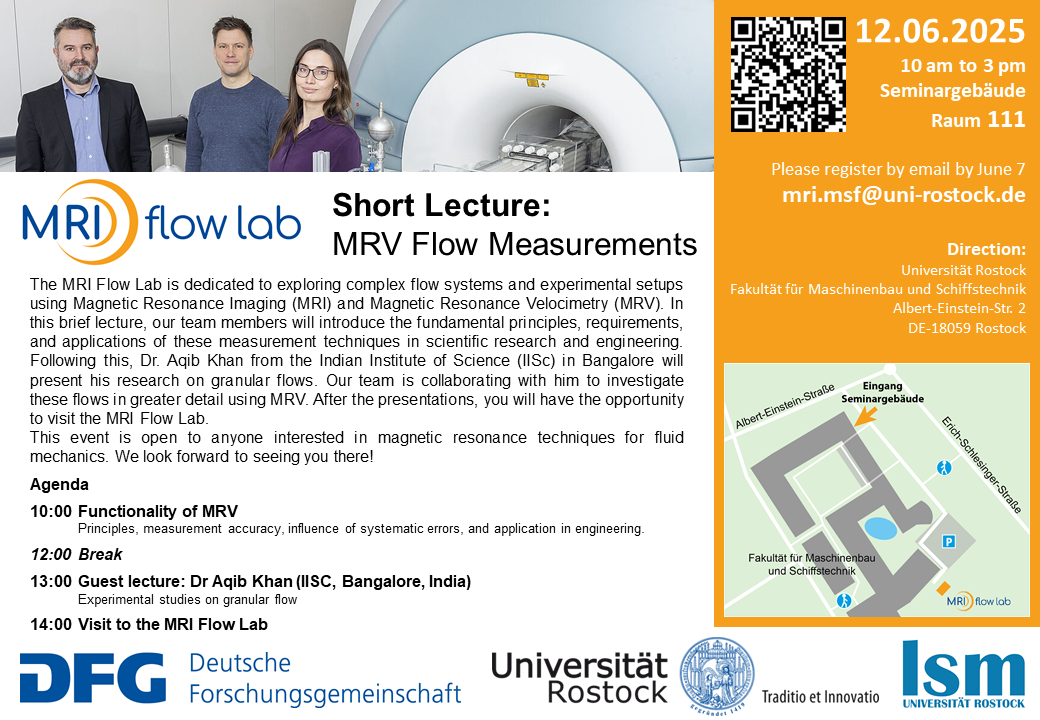
Short Lecture: MRV Flow Measurements
Each year, during the project week after Whitsun, we offer a compact course on experimental fluid mechanics using magnetic resonance velocimetry. This year, we are pleased to announce that Dr. Aqib Khan from the Indian Institute of Science in Bangalore, India, will also deliver a guest lecture on granular flows.
Participation is open to all students and staff. We look forward to seeing you there!
For any questions or to register, please send an email to mri.msf@uni-rostock.de
Lange Nacht der Wissenschaften at the MRI Flow Lab
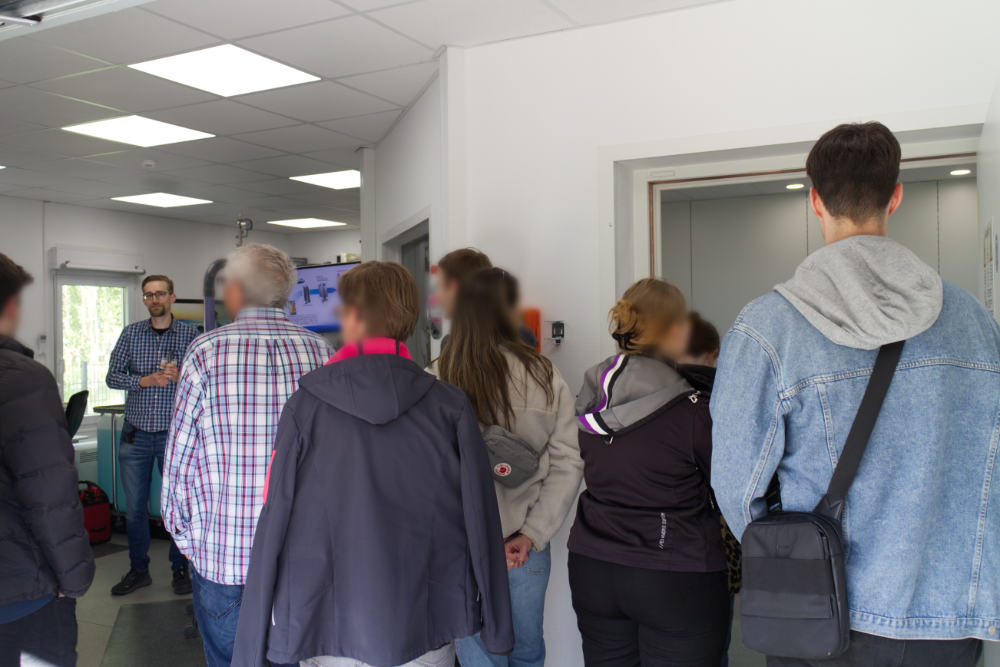
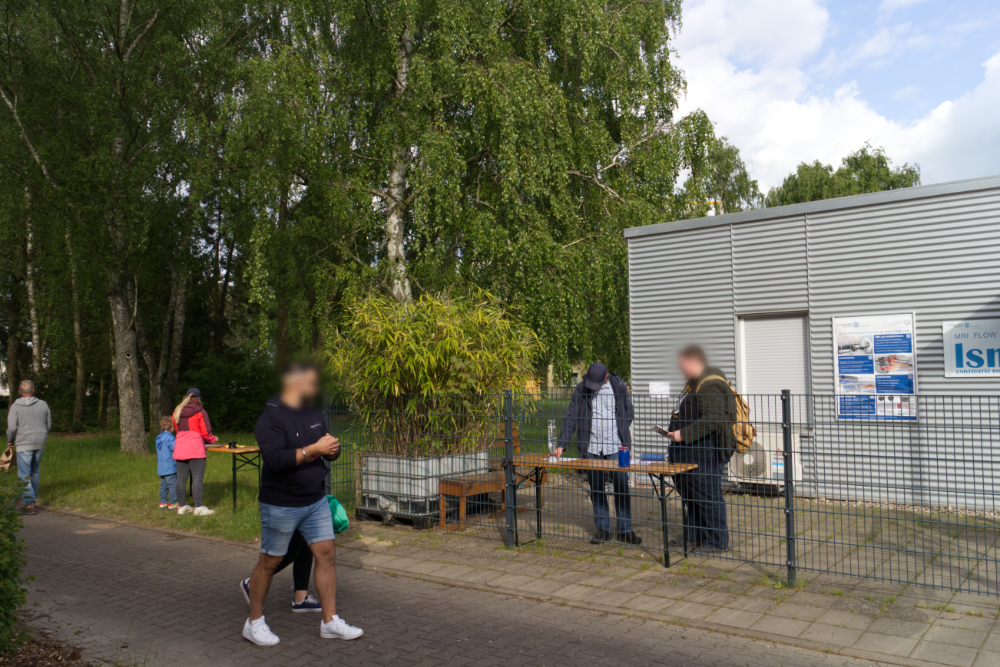
On 15 May 2025, the MRI Flow Lab opened its doors as part of the ‘Lange Nacht der Wissenschaften’, an event during which the University of Rostock opens its lecture halls and laboratories to the public for one evening. Numerous visitors took the opportunity to gain an exclusive insight into our current research and the experimental investigation of various technical flows using magnetic resonance imaging.
Vincent and Kristine guided the visitors through the laboratory and were available to answer questions. Several fluid mechanics experiments were set up in front of the laboratory to help even the youngest attendees appreciate why the study of flows is both exciting and essential. Meanwhile, our colleagues presented various research projects from the institute at the 'Strömungshalle.'
Start of the ‘Indo-German Joint Research Collaboration’ with the Indian Institute of Science
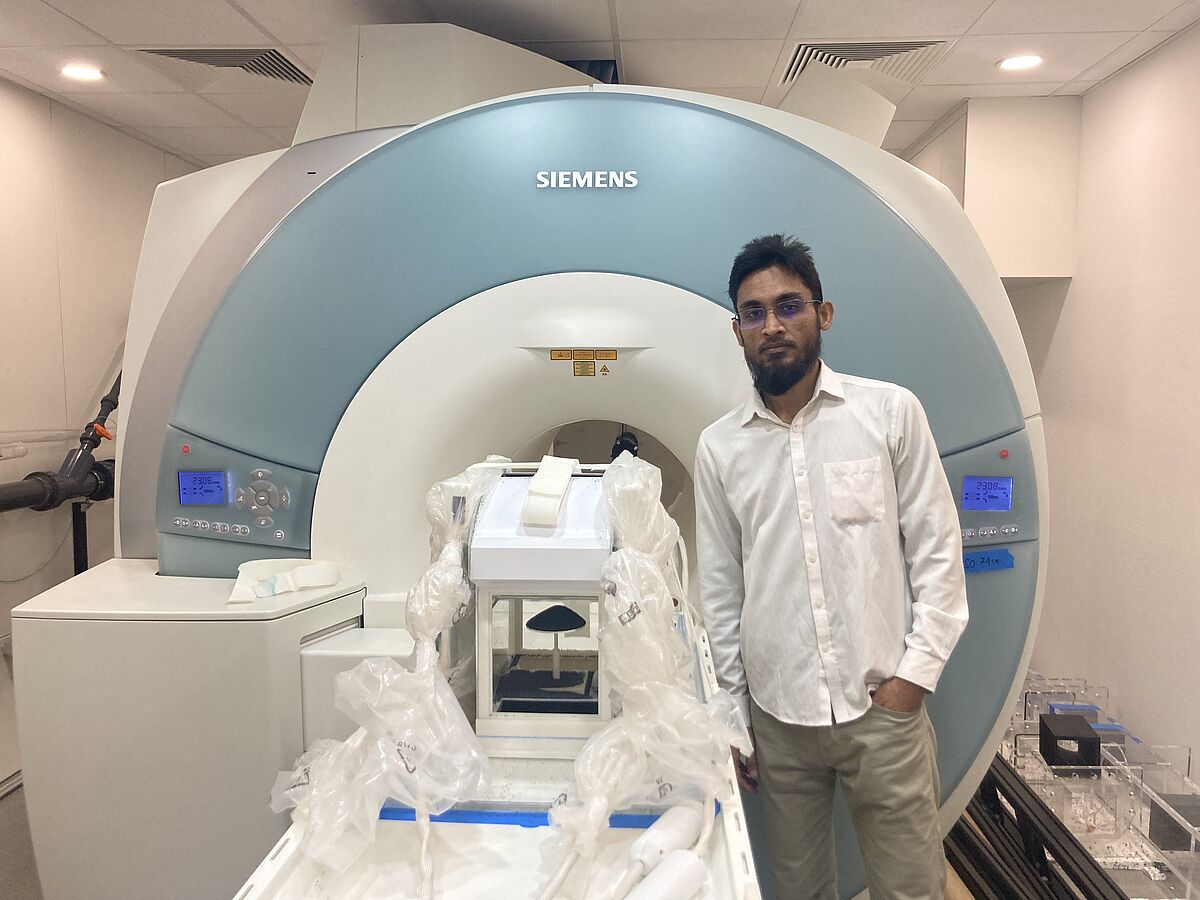
The German Academic Exchange Service (DAAD) and the Department of Science and Technology (DST) are funding an exchange between the Indian Institute of Science (Bangalore, India) and the MRI Flow Lab. In Bangalore, Prof. Prabhu R Nott's group is working intensively on the behavior of granular flows. The complex transport mechanisms of macroscopic particles such as sand are essential in many technical applications. As part of the Indo-German Joint Research Collaboration, we will develop experimental set-ups to gain comprehensive insights into the behavior of granular flows using Magnetic Resonance Imaging (MRI). After many weeks of intensive preparation and digital meetings, our physical exchange started with a four-week visit by Dr. Aqib Khan. We performed initial measurements in an experimental set-up on a steady-flowing granular heap and gained important knowledge to prepare the following steps of our collaboration. Our colleagues Martin and Kristine are now looking forward to their visit to Bangalore to learn more about the fascinating transport mechanism of granular material.
Website of Prof. Nott and his team at IISC in Bangalore: https://chemeng.iisc.ac.in/faculty/prabhu-r-nott/
Open Doors at the MRI Flow Lab
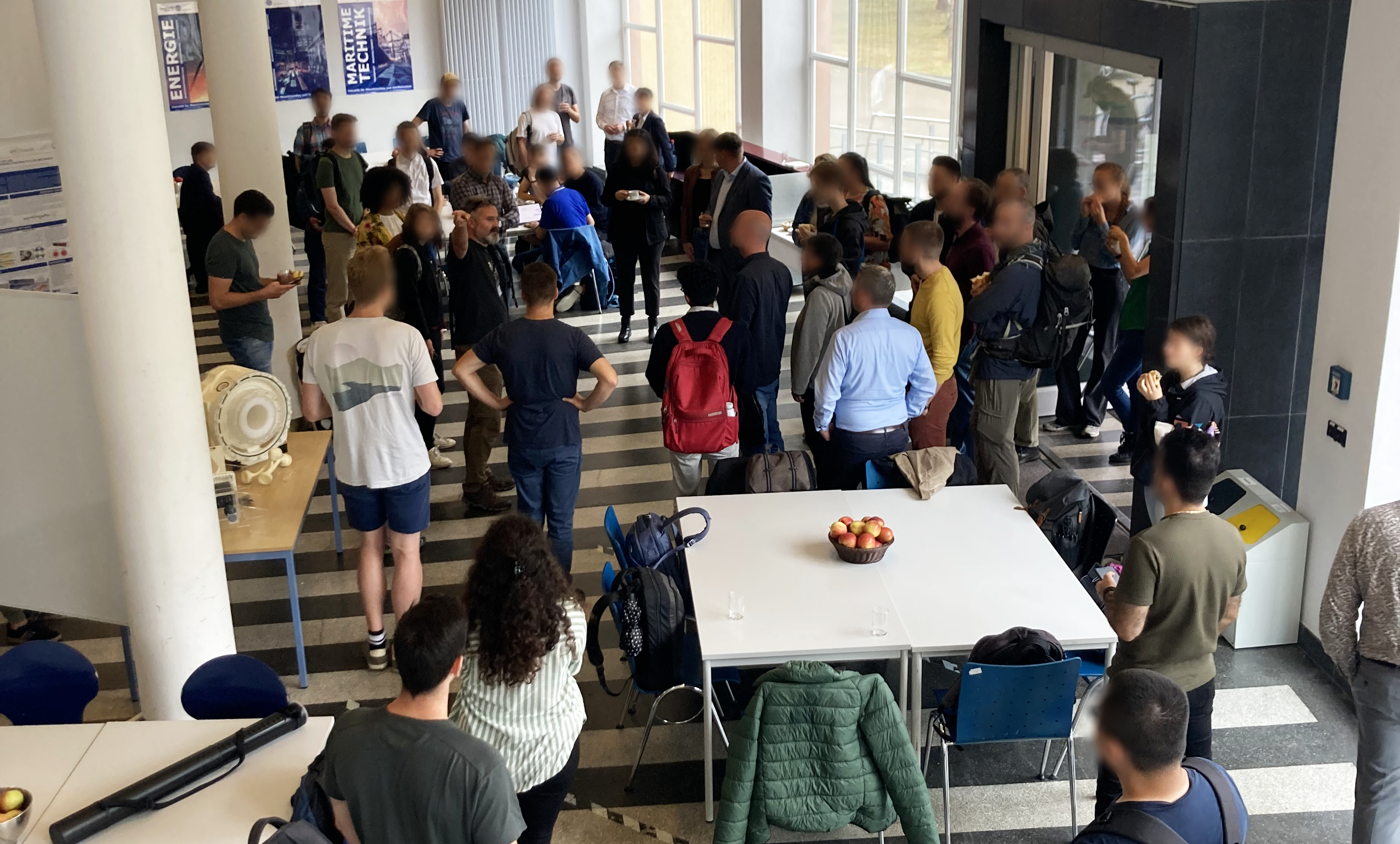
"Open Doors at the MRI Flow Lab" was part of the accompanying program at the 45th FGMR Annual Discussion Meeting in 2024. A total of 114 researchers from the field of magnetic resonance signed up for this event. The highlight of the day was the exclusive opportunity to visit the MRI Flow Lab in small groups of 15-20 participants and witness the experimental set-up for the "2PhaseMRV" project. Meanwhile, the rest of the attendees engaged in stimulating discussions, networking over coffee and barbeque, and exchanging ideas about ongoing research projects. Additionally, there was an exhibition featuring posters and experimental set-ups showcasing the current research projects at the MRI flow lab.
Tag der Technik 2024
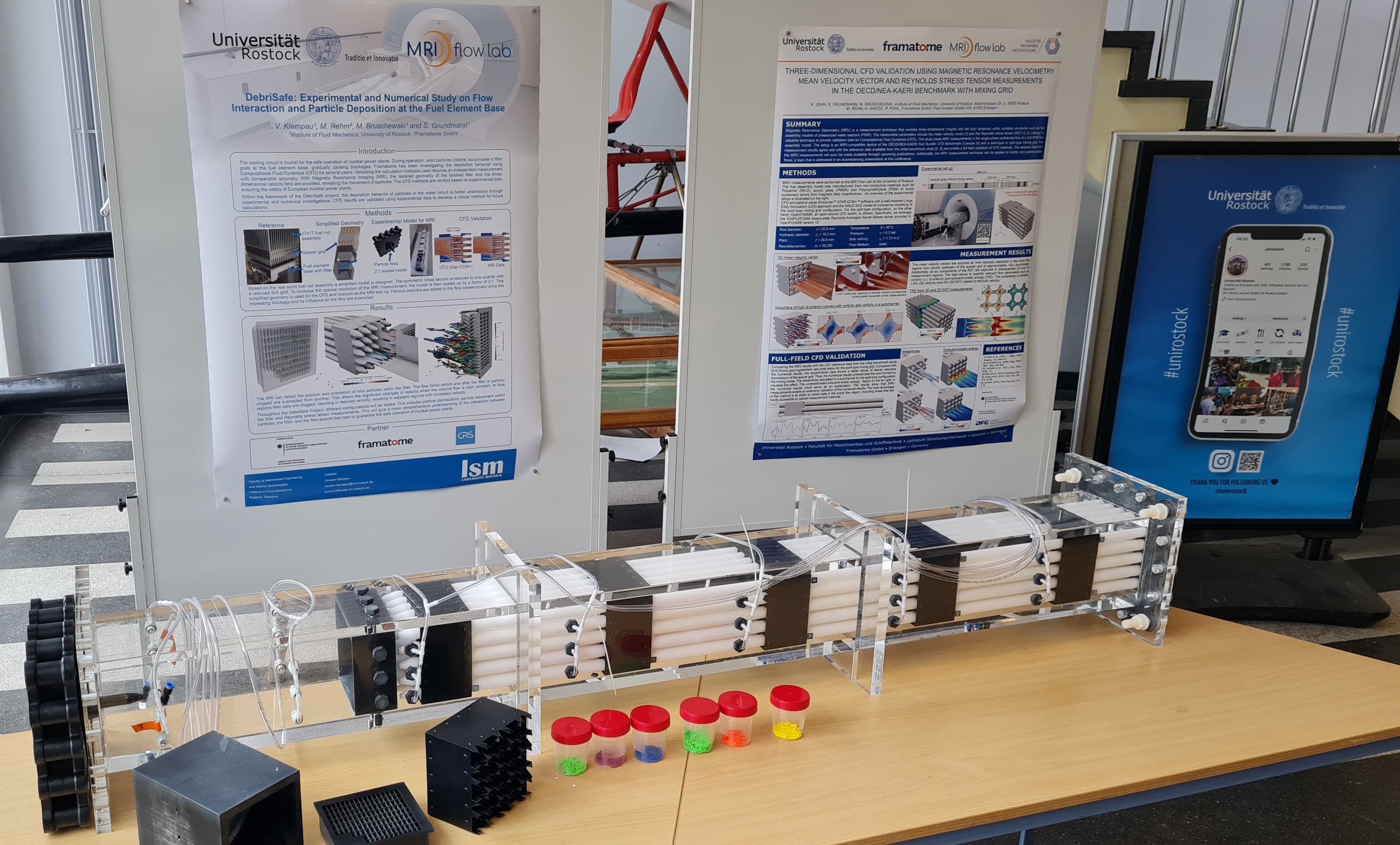
"Tag der Technik" is an event organized by The Association of German Engineers (VDI) that allows students to visit the different facilities of the faculty. During the event, there was a live demonstration at the MRI flow lab, showcasing a measurement in a model of a nuclear reactor fuel assembly. Outside the lab, colleagues presented an exhibition of various projects. This event provided students with an opportunity to ask questions about careers in science and mechanical engineering.


Kompaktseminar: MRT Strömungsmessung
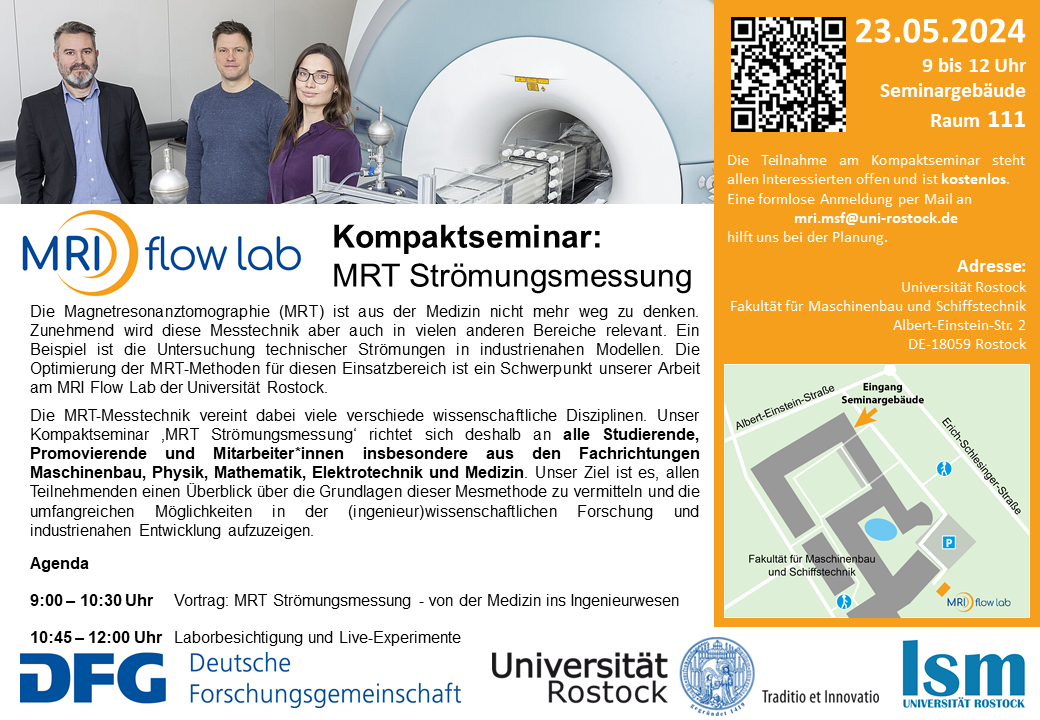
Unser Kompaktseminar ‚MRT Strömungsmessung‘ richtet sich an alle Studierende, Promovierende und Mitarbeiter*innen insbesondere aus den Fachrichtungen Maschinenbau, Physik, Mathematik, Elektrotechnik und Medizin. Unser Ziel ist es, allen Teilnehmenden einen Überblick über die Grundlagen dieser Mesmethode zu vermitteln und die umfangreichen Möglichkeiten in der (ingenieur)wissenschaftlichen Forschung und industrienahen Entwicklung aufzuzeigen. Die Teilnahme am Kompaktseminar steht allen Interessierten offen und ist kostenlos. Eine formlose Anmeldung per Mail an mri.msf@uni-rostock.de hilft uns bei der Planung.
Agenda am 23.05.2024
9:00 – 10:30 Uhr Vortrag: MRT Strömungsmessung - von der Medizin ins Ingenieurwesen, R 111, Seminargebäude Albert-Einstein-Str. 2
10:45 – 12:00 Uhr Laborbesichtigung und Live-Experimente am MRI Flow Lab
New Funding Opportunity for Research Projects at the MRI Flow Lab
The MRI Flow Lab is now listed in the European User Facility Network Catalogue (OFFERR project)
The European User Facility Network Catalogue of the OFFERR project features over 180 specialized laboratories, including several Helmholtz facilities in Germany. Researchers and developers in the field of sustainable nuclear engineering can apply for exclusive OFFERR funding for research activities at these key facilities. The MRI Flow Lab has now been added to this catalogue, which underlines its value for Nuclear Reactor Safety studies as demonstrated in several research projects in the past years. This achievement allows European scientists to apply for OFFERR funding and use the infrastructure of the MRI Flow Lab for their research without further costs. Two options are available: fast-track for up to six months and 50k € or complex projects for up to 18 months and 1M €. The funding is open for proposals that address the strategic research and innovative agenda (SRIA) of the Sustainable Nuclear Energy Technology Platform (SNETP).
For further information on OFFERR and funding, please visit https://snetp.eu/offerr/.
Lecture on Magnetic Resonance Velocimetry in Fluid Mechanic Experiments (Kopie 1)
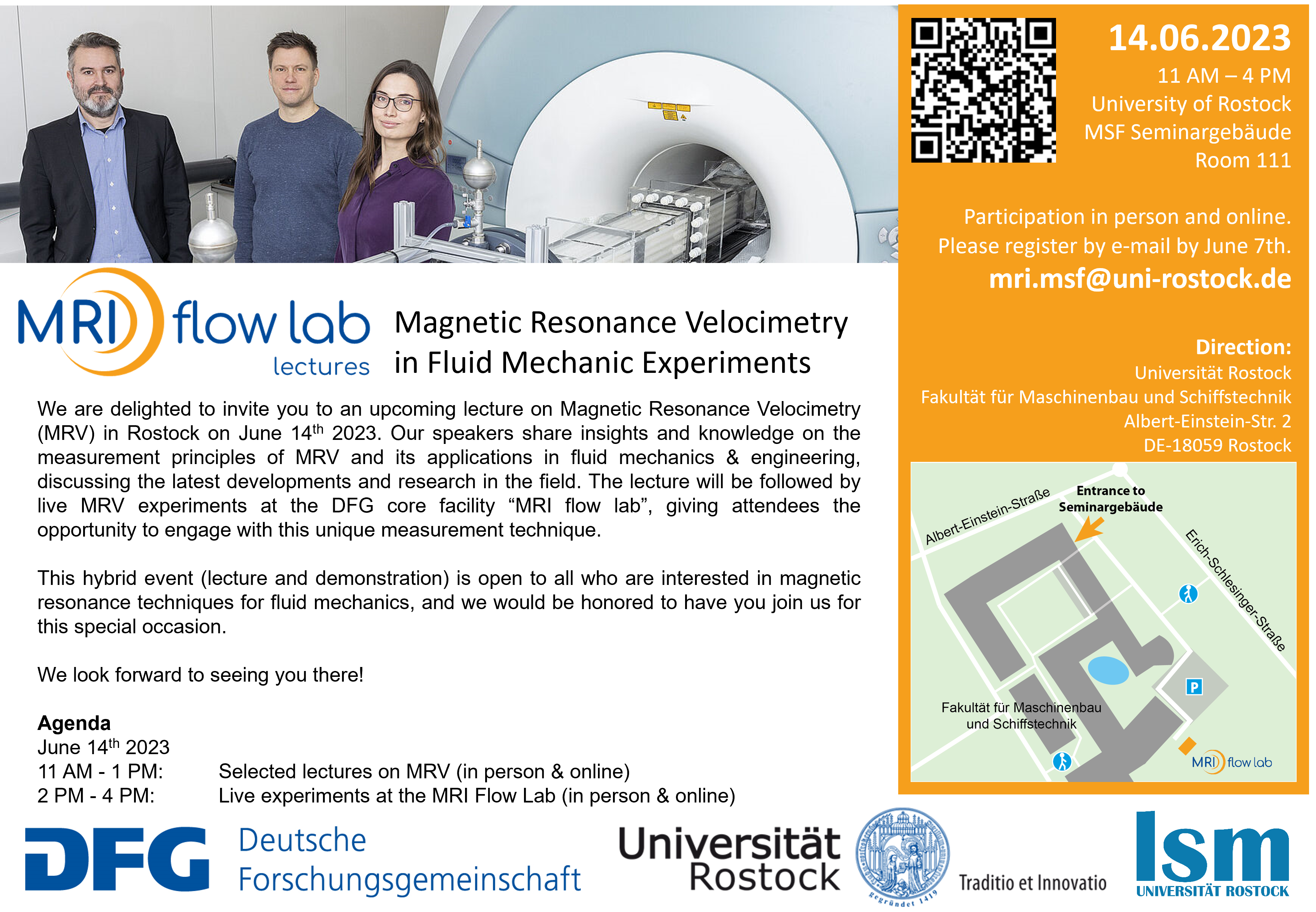
We are delighted to invite you to an upcoming lecture on Magnetic Resonance Velocimetry (MRV) in Rostock on June 14th 2023. Our speakers share insights and knowledge on the measurement principles of MRV and its applications in fluid mechanics & engineering, discussing the latest developments and research in the field. The lecture will be followed by live MRV experiments at the DFG core facility “MRI flow lab”, giving attendees the opportunity to engage with this unique measurement technique. This hybrid event (lecture and demonstration) is open to all who are interested in magnetic resonance techniques for fluid mechanics, and we would be honored to have you join us for this special occasion. We look forward to seeing you there!
Participation free of charge in person and online. Please register by June 7th at mri.msf@uni-rostock.de
Best Paper Award for the article to Turbo Expo 2022
Each year the committees of The American Society of Mechanical Engineers Turbo Expo Technical Conference select a paper to receive their committee's best paper award. In 2022, our contribution which we worked on together with our colleagues from MAN Energy Solutions and Texas A&M University was chosen as one of the best papers by the heat transfer committee. The paper entitled "Assessment of the Flow Field and Heat Transfer in an NGV using Magnetic Resonance Velocimetry, Thermochromic Liquid Crystals and CFD" presents a combined experimental and numerical study on the flow field an heat transfer in a turbine blade cooling system.
Bruschewski, M., Wüstenhagen, C., Domnick, C., Krewinkel, R., Shiau, C., Grundmann, S., and Han, J. (October 20, 2022). "Assessment of the Flow Field and Heat Transfer in a Vane Cooling System Using Magnetic Resonance Velocimetry, Thermochromic Liquid Crystals, and Computational Fluid Dynamics." ASME. J. Turbomach. March 2023; 145(3): 031010. https://doi.org/10.1115/1.4055611
(Kopie 1)